
Nepal Integrates Disability Records Into National Welfare Database
Nepal's government has absorbed the Disability Management Information System into its national social registry, paving the way for digitized identification and services across 753 local levels.
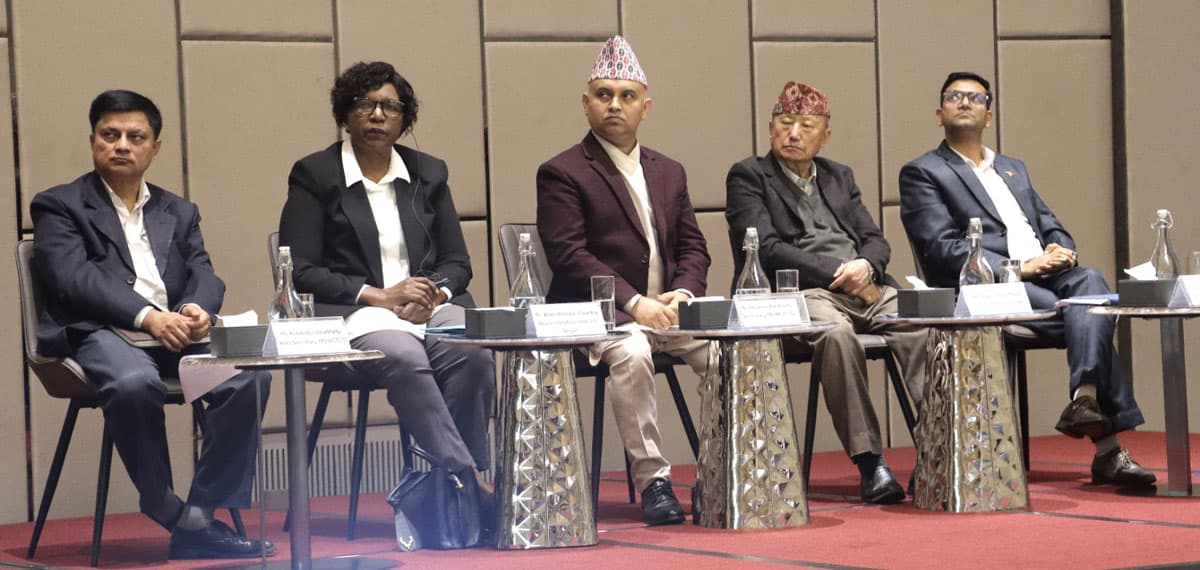
The government has integrated a dedicated disability tracking platform into its central social welfare database, aiming to streamline identity card issuance, beneficiary evaluations, and welfare distribution across all 753 local levels. The Disability Management Information System (DMIS) was officially transferred to the Ministry of Women, Children, Gender and Sexual Minorities and Social Security at a ceremony in Lalitpur on Monday, as reported by Ratopati and My Republica.
The Rising Nepal reported that consolidating disability records onto a single digital infrastructure is intended to digitize beneficiary verification and simplify access to state benefits. Under the handover, DMIS has been absorbed into the ministry's broader Social Information Management System (SIMS), shifting municipal administration away from fragmented paper workflows into an integrated digital portal.
According to Annapurna Post, the unified platform will establish standardized disability evaluation, tiered classification, and card distribution across municipal offices nationwide. Ministry Under Secretary Badri Karki presented municipal trial data demonstrating that the consolidated software accelerated identity verification and card issuance, while Joint Secretary Bipin Acharya noted that unified data channels remain vital for effective social service delivery, Annapurna Post reported.
Ministry Secretary Krishna Bahadur Raut stated that the government's formal takeover marks a major step forward for evidence-based policymaking and disability-inclusive governance, according to My Republica. Raut emphasized that the ministry's primary challenge is ensuring that municipal personnel possess the technical capability to manage the software effectively, ensuring residents benefit directly at the grassroots level.
The DMIS platform was originally designed and piloted across roughly 40 local levels by the Social Protection Civil Society Network (SPCSN), an advocacy coalition that has campaigned on social security inclusion since 2012, with assistance from UNICEF Nepal, Ratopati reported. Over the past two years, the ministry had separately deployed SIMS across approximately 160 local levels. SIMS contains 11 thematic modules covering social security allowances, child protection, safe houses, anti-human trafficking registries, and local governance administration.
The software integration was conducted under the European Union-funded Empowered Women, Prosperous Nepal (EWPN) initiative alongside UNICEF and SPCSN. Under a signed agreement, SPCSN will provide technical maintenance, system troubleshooting, and capacity-building training to local governments for one year, SPCSN Chairperson Gopal Thapa Magar stated. SPCSN former chairperson Tilottam Paudel noted, however, that the platform's ultimate success hinges on how effectively municipal governments execute the system across the country.