
Floods, Road Blockages Trigger Vegetable Price Spikes Across Nepal
Severe monsoon downpours and highway closures have choked produce shipments into Kathmandu and regional hubs, driving sharp price spikes for vegetables and onions ahead of the festive season.
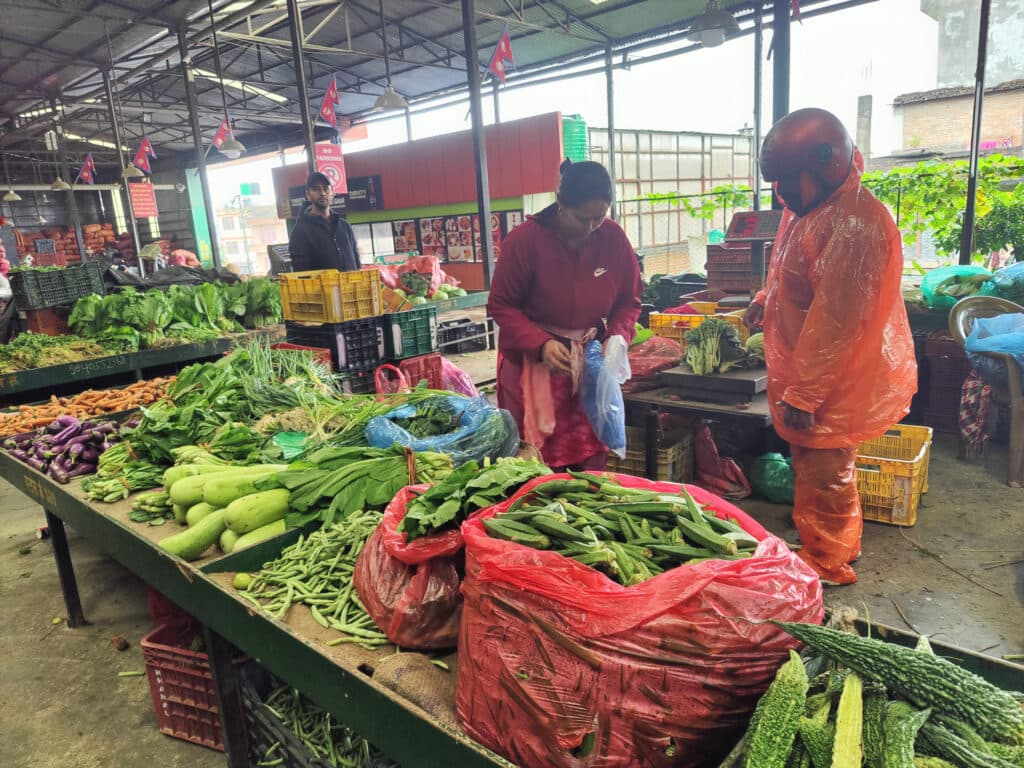
Incessant monsoon rains and widespread landslides across Nepal have severed transport arteries and sparked steep price surges for vegetables and essential kitchen staples ahead of the festive season.
Key arterial routes into Kathmandu, including sections of the Prithvi Highway and the BP Highway, were paralyzed by landslides, leaving long-distance passenger coaches and freight stranded, Nepal Watch reported. SP Naresh Raj Subedi, spokesperson for the Kathmandu Valley Traffic Police Office, noted that major road closures halted public buses within the capital, while Pankaj Malla, general manager of Lhotse Multipurpose at the Gongabu New Bus Park, confirmed that vehicles remained stuck due to landslides. While smaller vehicles bypassed some blockages via Pharping toward Hetauda, transport unions urged motorists to exercise extreme caution.
The transit bottlenecks have battered urban food supplies. Wholesale vegetable rates in the capital jumped by as much as 72 percent over the past week as incoming cargo dwindled, according to Karobar Daily. Data from the Kalimati Fruits and Vegetable Market Development Board indicated that supply volumes fell by more than half on mid-week days before recovering slightly. Over the week ending September 27 (Asoj 11), green soybean pods jumped 72.7 percent to Rs 190 per kilogram, while local small tomatoes climbed 71.6 percent to Rs 65 per kilogram. Green onions climbed 57.1 percent to Rs 275 per kilogram, while local cabbage gained 23.8 percent.
Bharat Khatiwada, former president of the Kalimati Vegetable and Fruit Wholesale Market Association, told Karobar Daily that price pressures stemmed from blocked transport arteries as well as adverse weather preventing farmers in peri-urban belts from entering fields. A daily market bulletin published by Himal Press showed large tomatoes—both domestic and imported from India—trading at a wholesale rate of Rs 110 per kilogram on September 28, alongside broad price increases across gourds, beans, and leafy greens.
The disruptions have compounded an existing surge in onion prices across southern markets. In Janakpurdham, retail onion rates hit Rs 120 per kilogram, according to Karobar Daily. Traders and consumer protection activists noted that Nepal depends on India for roughly 98 percent of its onion demand—chiefly sourced from Nashik in Maharashtra and Indore in Madhya Pradesh. Although Madhesh Province produces over 154,000 metric tonnes of onions annually across roughly 10,759 hectares, inadequate cold storage facilities and poor market linkages leave local consumers exposed to price swings across the border, said former Janakpur Potato and Onion Traders Association president Alauddin Rain. Quarantine officials in Jaleshwor recorded over 12,000 tonnes of Indian onion imports worth Rs 485 million through the Bhithamod checkpoint in the 2025/26 fiscal year, yet retail costs have continued to climb as the holiday season approaches.