
US and China Release $60 Billion Tariff-Cut Lists Following Summit
The United States and China have published reciprocal lists of non-sensitive goods worth $60 billion that will benefit from reduced tariffs following a summit in Washington.
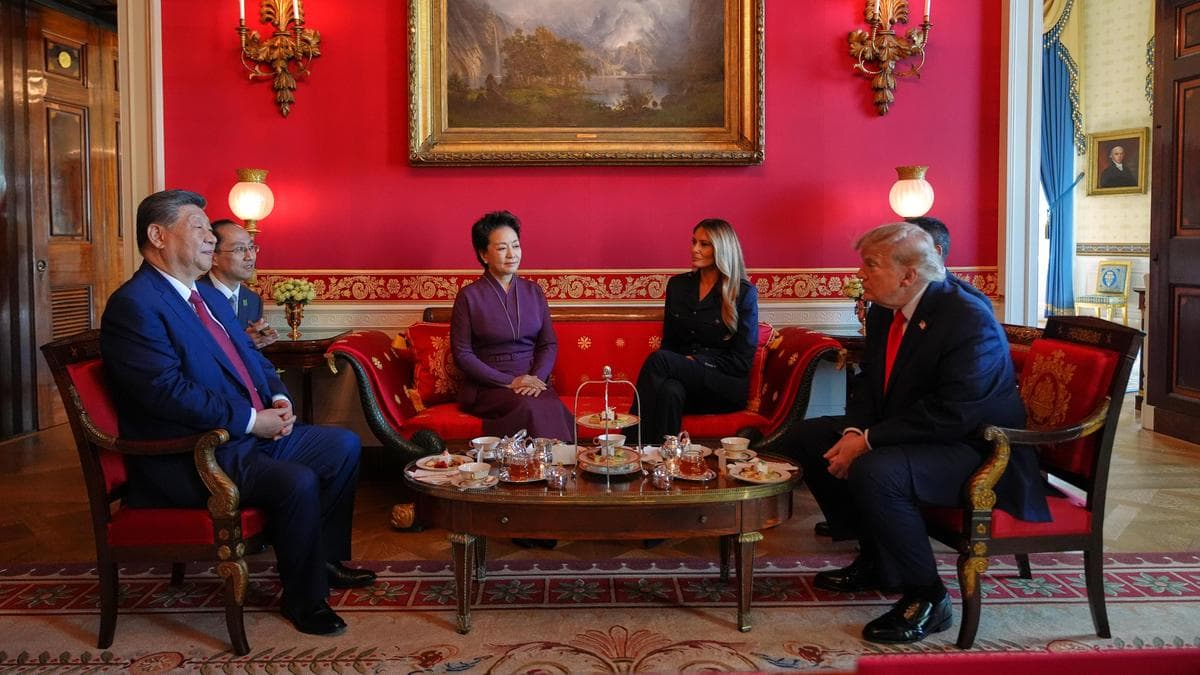
The United States and China have published reciprocal lists of non-sensitive goods covering approximately $30 billion in trade each way that will face lower import duties, consolidating an easing of trade friction following a bilateral summit in Washington.
The product catalogues, issued on September 28, 2026, outline duty reductions across both economies in an arrangement covering roughly $60 billion in combined bilateral commerce, The Hindu reported. The release followed a three-day summit between United States President Donald Trump and Chinese President Xi Jinping that concluded on September 25, marking Xi’s first visit to Washington since 2015.
According to reporting by Onlinekhabar, China’s import schedule encompasses more than 1,600 categories of American merchandise, including beef, pork, poultry, seafood, dairy products, grains, timber, whiskey, and coal. The Hindu specified that the Chinese list spans 1,619 individual items, ranging from farm produce and medical devices to personal care goods. Onlinekhabar noted that Beijing also agreed to purchase at least 10 million metric tonnes of American coal across 2027 and 2028 under the White House terms.
In return, the United States identified 77 categories of Chinese exports eligible for lower border taxes, both outlets reported. These shipments concentrate heavily on everyday consumer goods, including toys, tableware, sports equipment, fireworks, and Christmas ornaments. United States Trade Representative Jamieson Greer stated that the arrangements focus on non-sensitive items to secure market access for American producers while lowering costs for consumers, The Hindu reported.
China’s Ministry of Commerce said more than 90 percent of the selected goods would be taxed at standard "most-favoured-nation" rates under World Trade Organization rules, effectively eliminating country-specific retaliatory penalties. Highly sensitive strategic sectors, including semiconductors, electric vehicles, and lithium batteries, remain excluded from the concessions.
Agricultural relief was not universal. China excluded American soybeans from the tariff-reduction list, The Hindu noted in separate coverage. United States soybeans still face a 10 percent retaliatory levy, which market analysts warned remains too costly for private Chinese crushers despite purchases by state-run trading houses.
The tariff schedules form part of an eight-point consensus reached during the Washington talks, which included establishing a bilateral trade council and launching formal discussions on "super intelligence"—the terminology preferred by both governments for advanced artificial intelligence, The Hindu reported. United States Treasury Secretary Scott Bessent said the broader trade truce had been extended by two months from November 10, to January 10, granting negotiators additional space to pursue a comprehensive economic deal.