
South Korea Demands Apology Over Ukraine's Prisoner Transfer Reveal
Seoul has demanded an apology from Kyiv after President Volodymyr Zelenskyy publicly revealed the transfer of two captured North Korean prisoners of war to South Korea.
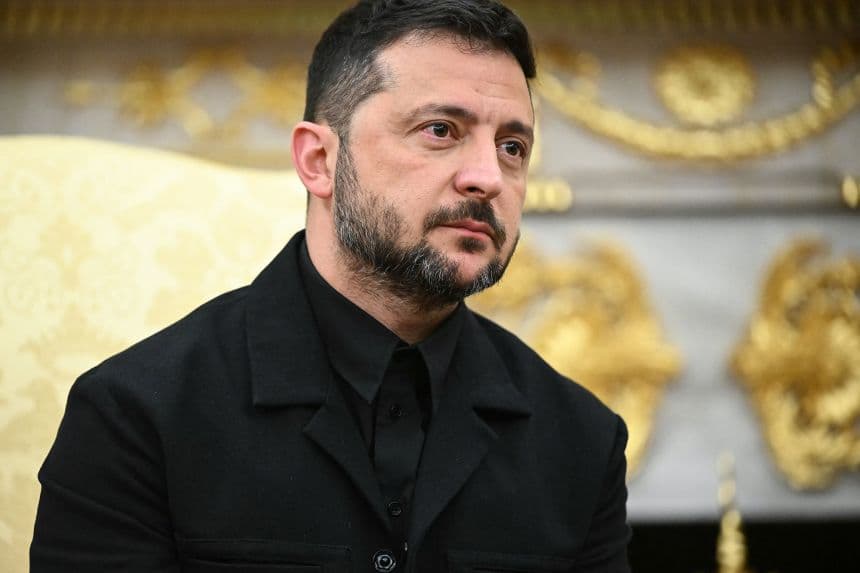
A diplomatic dispute has erupted between Seoul and Kyiv after Ukrainian President Volodymyr Zelenskyy publicly revealed that his country transferred two captured North Korean soldiers to South Korea. Seoul contends the disclosure violated a strict non-disclosure pact, demanding a formal explanation and apology, while Ukrainian authorities maintain that no secrecy arrangement ever existed.
Addressing the United Nations General Assembly, President Zelenskyy disclosed the transfer of the two soldiers, who were taken captive in Russia's Kursk region in January 2025. Following the speech, South Korean President Lee Jae Myung expressed deep disappointment on social media over the breached understanding, as reported by The Hindu. Seong Ghi-hong, Seoul's senior presidential secretary for public relations, stated that Kyiv had initially sought secrecy to prevent domestic backlash over foregoing prisoner swaps with Russia, but then unilaterally made the announcement and falsely denied the pact, according to Hindustan Times.
In contrast, Ukrainian presidential aide Dmytro Lytvyn asserted that Ukraine operates openly and that a secret transfer would have been inappropriate, insisting officials only confirmed the factual handover, The Hindu reported. The two soldiers represent the first North Korean fighters captured alive since Pyongyang dispatched forces to back Moscow. South Korean law recognizes all Korean Peninsula residents as citizens, and lawmakers noted both men requested resettlement in the South rather than repatriation to Pyongyang.
Disclosing the transfer has ignited political controversy in Seoul. As Al Jazeera English reported, domestic opposition politicians questioned why President Lee's administration withheld the development, while rights advocates voiced alarm that public exposure endangers the prisoners' families in North Korea, where relatives of defectors routinely face collective detention and forced labour.
Tensions have also exposed broader cracks in bilateral cooperation. As reported by Setopati, Kyiv has grown frustrated by Seoul's refusal to supply weapons or Patriot air defence batteries—adhering instead to a policy of providing only humanitarian relief—while Ukrainian officials have voiced concern over South Korea's continuing commercial maritime and fuel trade ties with Russia.
Estimates on Pyongyang's military commitment also differ across accounts. Al Jazeera English reported that Ukrainian and South Korean assessments place the number of deployed North Korean troops between 14,000 and 15,000, whereas Setopati cited Ukrainian intelligence estimates claiming Pyongyang sent approximately 50,000 soldiers alongside heavy weaponry to assist Russian operations. Seoul's Ministry of Unification said both soldiers are undergoing intelligence debriefing and screening before entering official resettlement programmes.