
House Advances Bill to Establish Ramraja Prasad Singh Health Academy
The House of Representatives has unanimously endorsed the preliminary proposal for the Ramraja Prasad Singh Institute of Health Sciences Bill, advancing plans for a major medical academy in Madhesh Province.
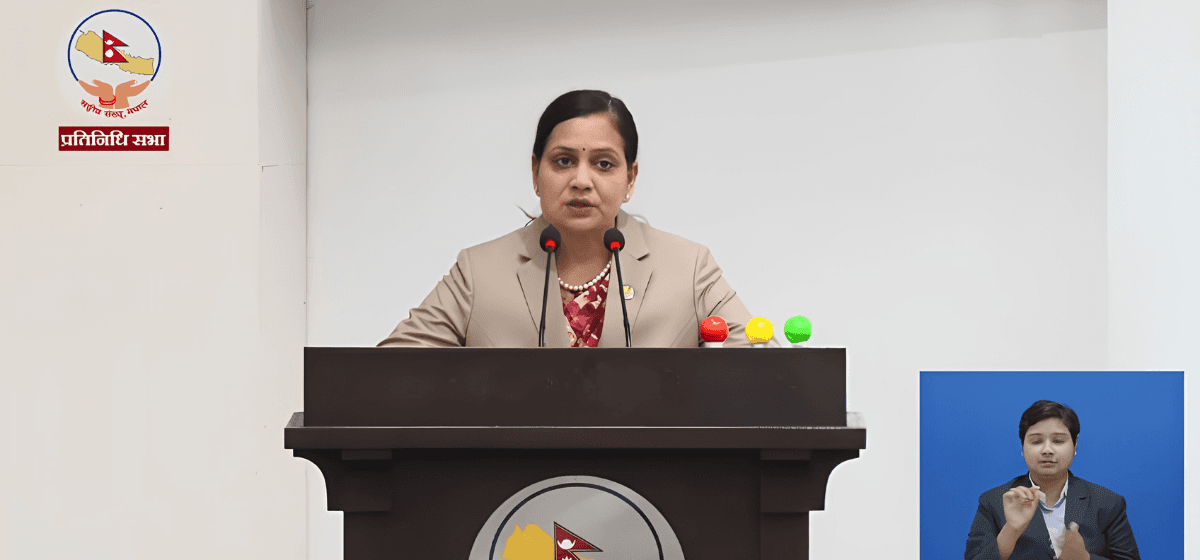
The House of Representatives on Tuesday unanimously endorsed a proposal to consider the Ramraja Prasad Singh Institute of Health Sciences Bill, 2083, initiating formal legislative debate on creating a specialized medical and educational institution in Madhesh Province.
The proposed legislation seeks to establish an autonomous health sciences academy in honour of the late republican campaigner Ram Raja Prasad Singh. Responding to lawmakers during the preliminary discussion, Minister for Health and Food Hygiene Nisha Mehta stated that a dedicated act is essential to train skilled healthcare professionals, broaden specialist treatment, and expand medical education across Madhesh.
According to reports from Nagarik News and the state-run daily Gorkhapatra, Mehta argued that while several other provinces already host functional health science academies, Madhesh has lacked a similar provincial institution. She noted that the initiative directly upholds constitutional guarantees under Article 35, which ensures free basic healthcare and emergency treatment, and Article 51, which directs the state to raise public health investment and promote medical research.
Mehta informed parliament that the government previously issued an infrastructure formation order in 2080 BS, with the project development committee holding its inaugural meeting on Baisakh 2, 2081 BS. Because the development committee operates under a limited operational lifespan, statutory legislation must be enacted promptly to anchor the project. Nagarik News also reported that budget allocations were made for the academy under the ongoing fiscal year's health sector reform programme. Although the government intends to eventually introduce an overarching umbrella law governing all health academies across Nepal, Mehta clarified that an individual act is required in the interim to provide the institution with immediate legal footing.
During parliamentary deliberations reported by Newspolar, lawmakers urged the government to ensure the project develops into a genuine academic and research centre rather than merely a physical construction venture. Lawmaker Ramesh Kumar Malla stressed the need to address operational and administrative hurdles if the existing Gajendra Narayan Singh Hospital in Saptari is integrated as the teaching hospital, while also calling for simultaneous progress on the proposed Bardibas Medical College.
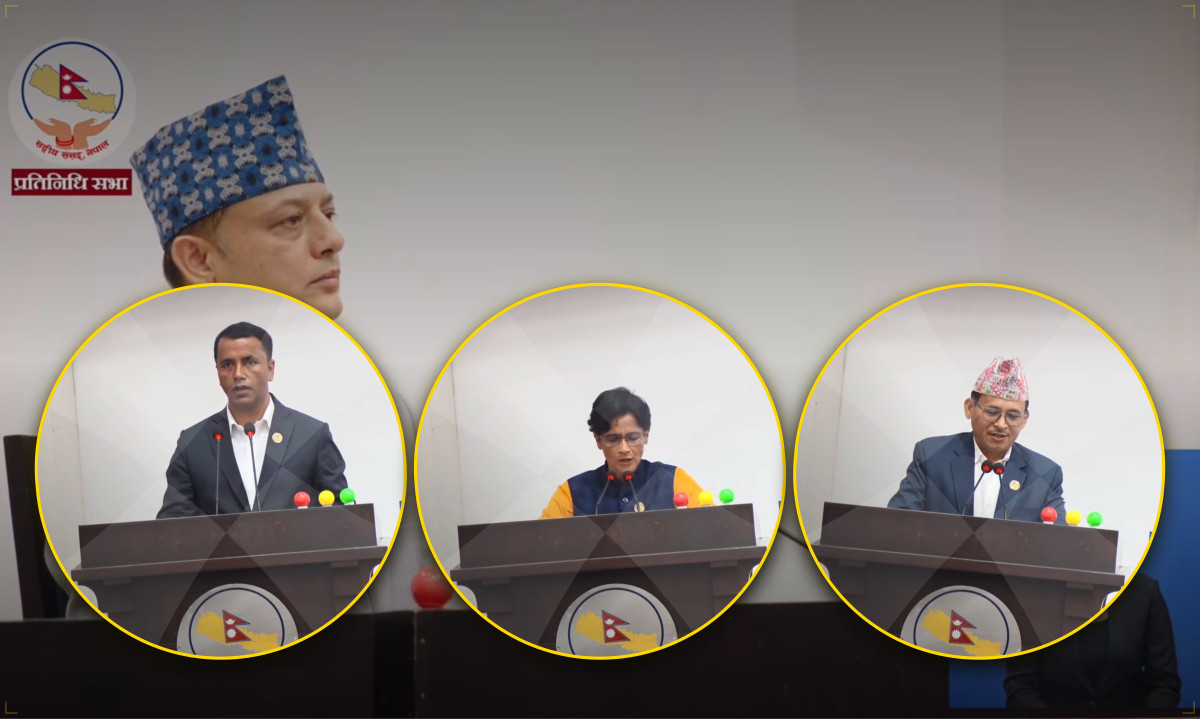
Newspolar further reported that parliamentarian Asha Jha estimated the overall capital investment for the project at approximately Rs 30 billion, expressing hope that the facility could evolve into a regional hub serving patients across Madhesh and Koshi provinces as well as adjacent border areas in India. Other lawmakers, including Yubaraj Dulal and Pramila Kumari, called for administrative efficiency, academic autonomy to avoid dual-governance conflicts seen in institutions like the National Academy of Medical Sciences, and concrete workforce policies to prevent domestic medical graduates from emigrating.