
Government Prepares Security Outlets to Sell Cooking Gas
The commerce ministry plans to allow security agencies to retail LPG cylinders through their existing fuel stations to prevent consumer shortages during emergencies.
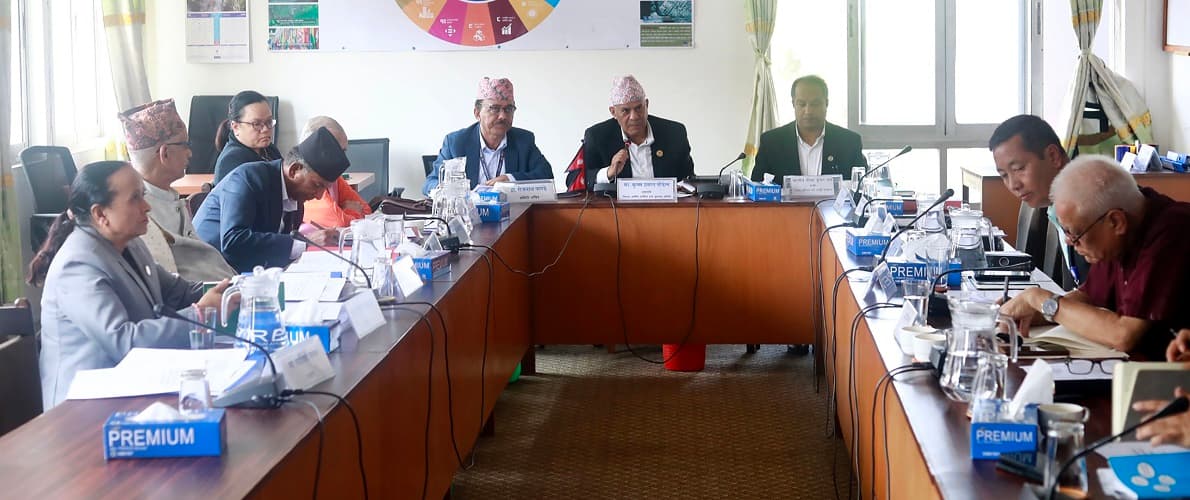
The Ministry of Industry, Commerce and Supplies is preparing to permit security agencies to distribute liquefied petroleum gas (LPG) to cushion domestic supplies during emergencies and shortages, officials said on Friday.
Rudra Singh Tamang, secretary at the ministry, disclosed the plan during a discussion on the management and monitoring of essential consumer goods organised by the parliamentary Committee on Development, Economic Affairs and Good Governance. Nagarik News, Karobar Daily, and DC Nepal reported on the ministry's announcement.
Tamang noted that the Nepal Army, Nepal Police, and the Armed Police Force already run retail fuel stations across the country. The government intends to add LPG sales points to those existing networks. Opening one or two gas outlets at security force stations would create an institutional buffer during market bottlenecks, Tamang said, according to Karobar Daily and DC Nepal.
The announcement comes as authorities grapple with sporadic supply bottlenecks that leave households queuing for cooking gas despite incoming shipments. Ratopati reported that while cross-border inflows have picked up, retail distribution hiccups and dealer practices continue to frustrate urban consumers.
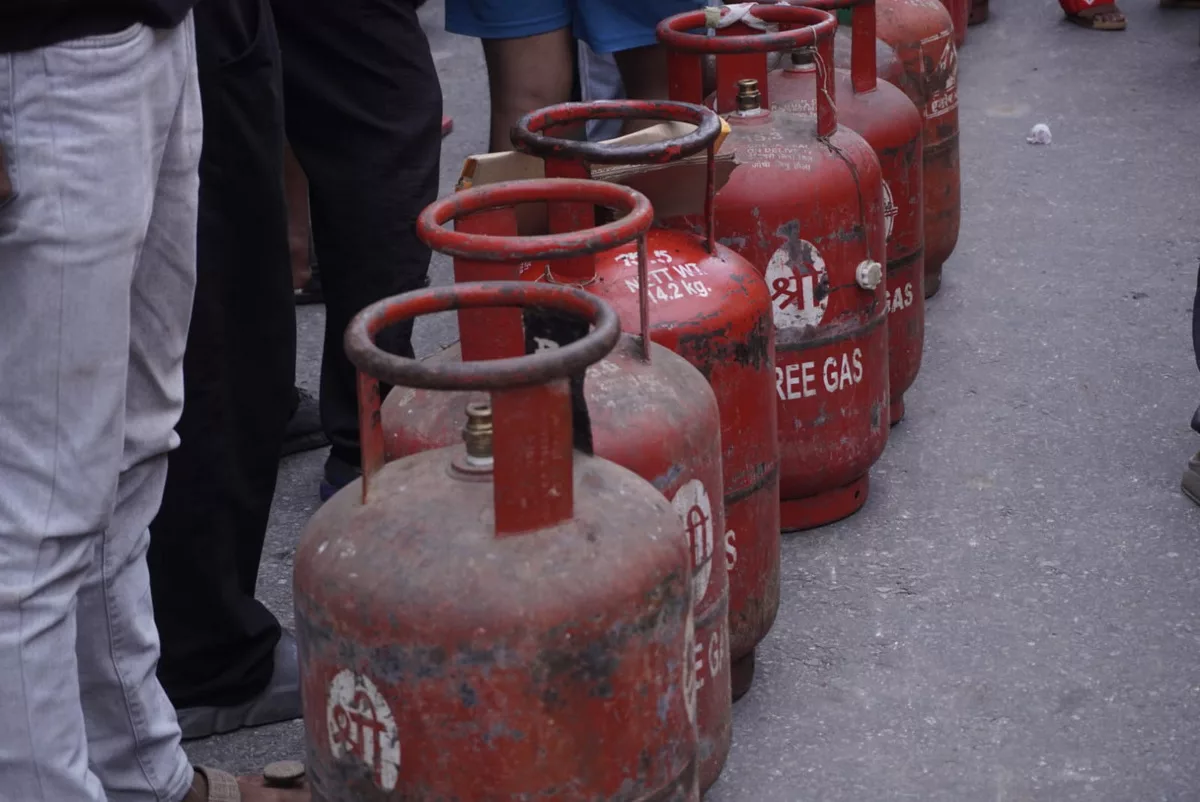
According to Dewan Bahadur Chand, president of the Nepal LP Gas Industry Association, around 125 to 130 gas bullets are now entering Nepal daily from Indian refineries, with roughly 60 bullets dispatched to the Kathmandu Valley. That volume equates to 60,000 to 70,000 cylinders each day, comfortably above the valley's typical daily consumption of roughly 40,000 cylinders, Chand told Ratopati.
Chand explained that transport disruptions from recent road damage had temporarily delayed bullet movements, leaving many empty cylinders in homes and prolonging the recovery period. Nepal is currently routing 20 to 25 bullets daily from the Barauni refinery directly to Kathmandu, while half of the roughly 60 daily bullets arriving from Paradip are also redirected to the capital. Supplies from the plant in Durgapur, however, remain paused following a fire and pipeline malfunction, with flows expected to resume once pipeline repairs wrap up.
Despite adequate wholesale volume, retail consumers still face dry spells because distribution dealers hoard stocks or bypass neighbourhood grocers to retain commission margins, Chand told Ratopati. By equipping security agency pumps to vend LPG cylinders, the commerce ministry hopes to establish emergency relief points that prevent dealer hoarding and stabilise distribution during festive rushes and transport crises.