
Balen Government Marks Six Months Amid Dissent and Scrutiny
Prime Minister Balendra Shah has released a six-month report card showcasing state restructuring, even as ruling-party lawmakers and economists criticize his administration's governance style and economic record.
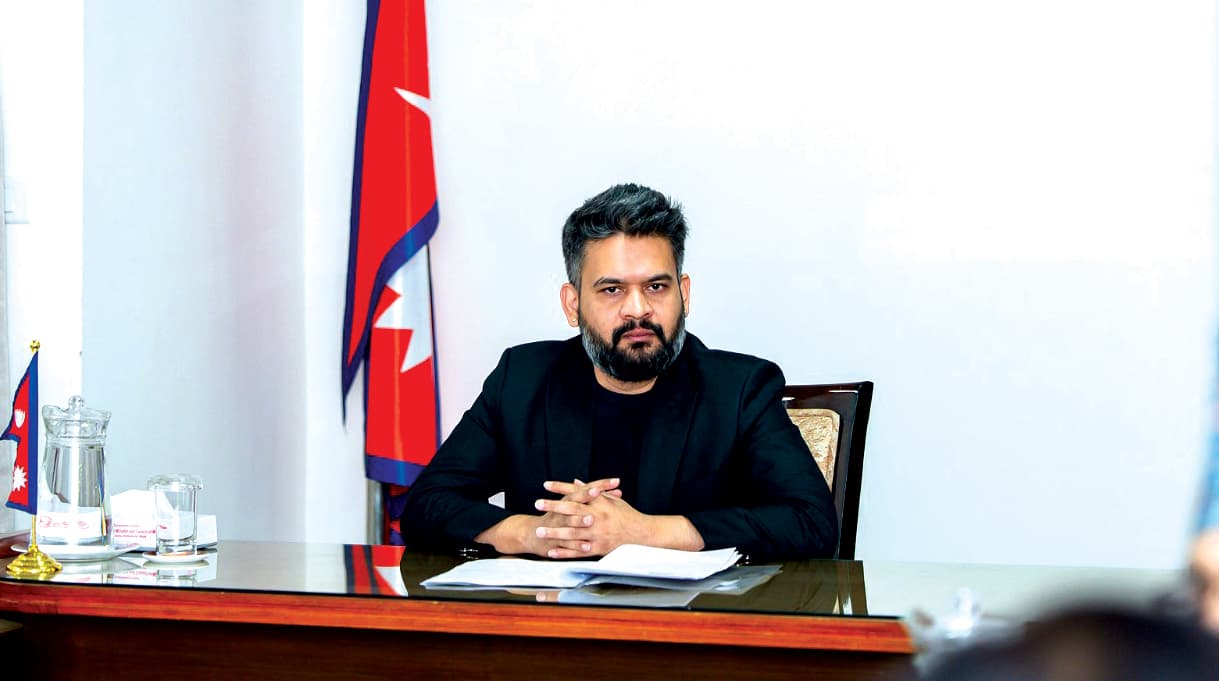
Prime Minister Balendra Shah completed his first six months in office on Tuesday, with his secretariat publishing an extensive progress report highlighting administrative streamlining and digitized public services. However, the milestone comes amid escalating friction with lawmakers inside his own ruling Rastriya Swatantra Party (RSP) and persistent criticism from economists over his governance approach and market management.
According to a report card released by the Prime Minister’s Secretariat and reported by Nagarik News, the government reorganized federal operations by reducing the number of federal ministries from 22 to 18 and dissolving redundant state boards and committees. The progress document also emphasized major administrative reforms, including the home delivery of passports across 75 districts, automated citizenship data linkage, and the unsealing and implementation of long-stalled investigations such as the 1995 Rawal Commission land probe and the 2026 Cooperative Inquiry Commission report. On the infrastructure front, the administration noted trial operations at the Nagdhunga tunnel, 50 percent progress on the Kathmandu-Tarai Fast Track, and Rs 10 billion generated from power exports.
Yet independent evaluations paint a sharper picture of institutional friction. Annapurna Post reported that while the administration initiated bold cutbacks—revoking nearly 1,500 political appointments and pruning state machinery—its economic management has faltered. Economist Dilli Raj Khanal told the outlet that the government had drifted from its ambitious economic targets, including 7 percent growth and a per-capita income of $3,000, pointing out that arbitrary detentions of corporate and banking executives without sufficient preliminary evidence have undermined investor confidence. Annapurna Post also highlighted widespread condemnation over the government’s eviction of informal riverbank settlements in Kathmandu, where dislocated families were moved into temporary camps lacking basic amenities, as well as high-profile detentions of political opponents including former Prime Minister KP Sharma Oli.
Simultaneously, the prime minister faces rebellion from within his own party benches. Nepal Khabar reported that several RSP lawmakers aligned with party chairman Rabi Lamichhane have adopted adversarial positions in parliament since late Ashad. Party figures including General Secretary Bipin Acharya, whip Krantishikha Dhital, and lawmaker Ramesh Prasai have openly reprimanded the government over surging inflation, gas shortages, the forceful eviction of landless squatters, and an insular decision-making process centered in the prime minister's private advisory team. Lawmaker Amresh Kumar Singh accused the executive secretariat of usurping democratic norms and creating an atmosphere of intimidation.
The mounting internal friction follows public warnings sounded earlier by party chairman Lamichhane. Nagarik News reported in August, at the administration’s four-month mark, that Lamichhane cautioned that the RSP could no longer blame past leadership for ongoing shortcomings and insisted the new government needed to demonstrate a distinct direction. With six months now elapsed and the RSP parliamentary group split between loyalists and vocal dissenters, Shah’s technocratic agenda faces an increasingly fractured political landscape.