Lawmakers Demand Overhaul of Disaster Laws and Infrastructure Standards
Following fatal late-monsoon floods, lawmakers have urged the government to overhaul disaster laws, revamp hydropower tunnel safety standards, and initiate cross-border early warning dialogues.
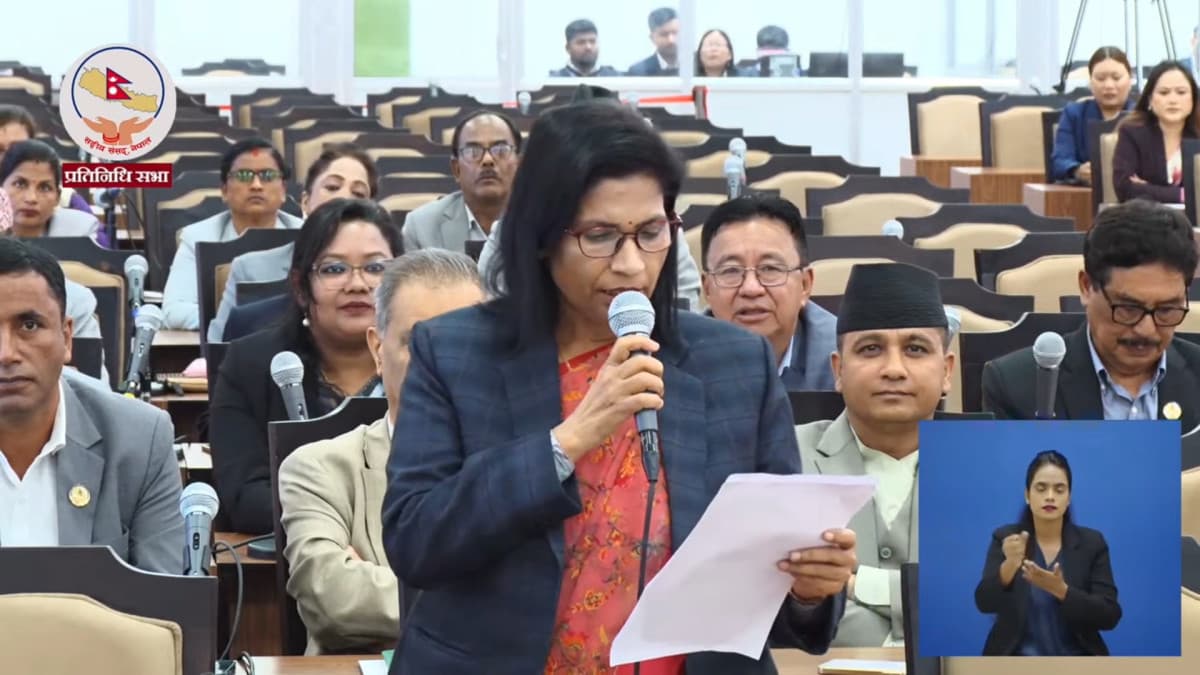
Lawmakers across party lines have urged the government to overhaul Nepal’s legal, infrastructural, and regional approaches to disaster management following late-monsoon rainstorms that caused widespread devastation across the country.
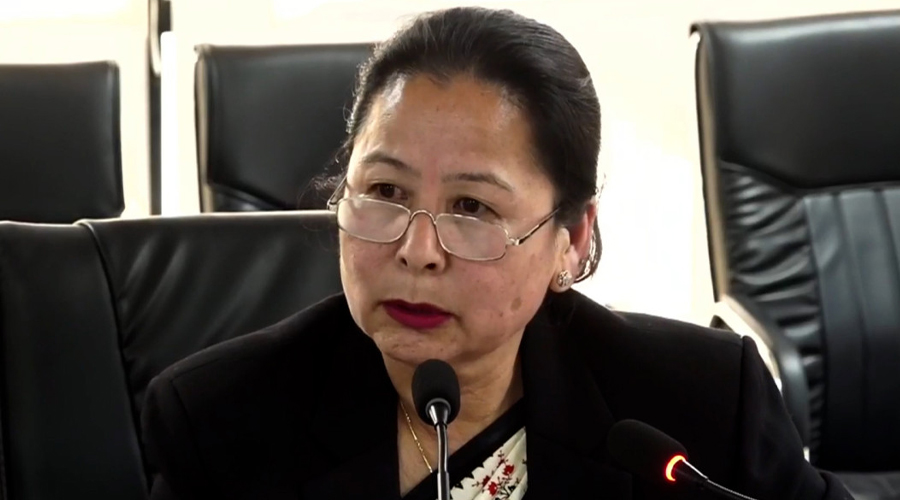
Speaking in the House of Representatives on Monday, CPN-UML deputy parliamentary party leader Padma Kumari Aryal called for a national master plan to manage disaster risk and resettle affected populations permanently, eMountain TV reported. Pointing to torrential rains between September 24 and 27 (Asoj 8–11), Aryal noted that early government estimates placed nationwide casualties at 13 dead, 12 missing, and four injured. Around 1,500 people from 429 households were displaced, with 189 homes completely wrecked and 270 others facing severe hazards.
Aryal highlighted extensive damage in the Kaligandaki basin, particularly around the pilgrimage hub of Setiveni at the confluence of Syangja and Parbat districts, as well as the collapse of a motorable bridge connecting Syangja with Gulmi. She urged authorities to open the tunnel route through the Kaligandaki Hydropower Project dam toward Harmichaur as a temporary detour and remove bureaucratic bottlenecks by enacting updated disaster legislation, according to eMountain TV.
At a policy discussion on disaster legislation held in Kathmandu the same day, legislators insisted that response efforts must move beyond short-term relief. Rastriya Swatantra Party lawmaker Kamal Subedi called for a complete reset of the country’s development model, Onlinekhabar reported. Subedi argued that rural roads and housing projects are frequently constructed without geotechnical surveys, urging the state to engage domestic and foreign experts to map high-risk settlements and legislate their relocation alongside sustainable livelihood support.
Fellow RSP lawmaker Shriram Neupane argued at the same event that tunnel safety standards in hydropower projects must be revamped immediately to protect workers during flash floods, Onlinekhabar reported. Neupane suggested orienting tunnel entrances against the river flow, designing them on upward inclines, fitting them with automatic emergency steel gates, and building fortified bunker-style safe rooms with essential rations inside powerhouses. He also pressed for dedicated emergency legislation capable of overriding standard administrative procedures during calamities, enabling an empowered disaster authority to make binding, swift decisions.
Addressing regional cooperation at the Kathmandu forum, Rastriya Prajatantra Party lawmaker Saraswati Lama stated that disaster risks in the Himalayas cannot be solved in isolation, according to Onlinekhabar. Lama urged the government to pursue diplomatic dialogue and coordination with neighbouring countries on reducing disaster risk, while criticizing authorities for delays in delivering emergency aid to recent flood victims in Rasuwa.